

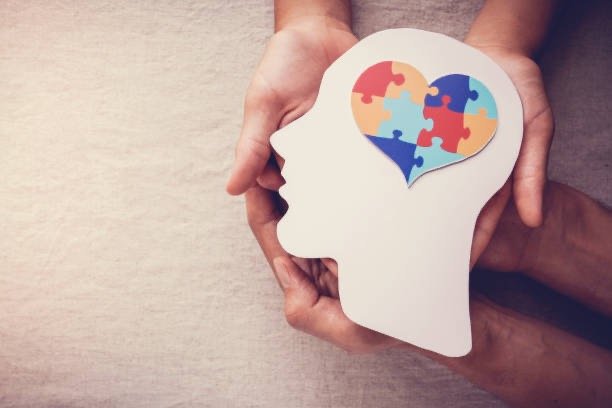
What is Autism?
Autism, or Autism Spectrum Disorder (ASD), is a neurodevelopment condition that affects how a person experiences the world, communicates, and interacts with others. Autism is called a “spectrum” because individuals can have a wide range of strengths, challenges, and support needs.
Autistic individuals may experience differences in social communication, sensory processing, and patterns of behavior. Many autistic people also have unique strengths such as strong attention to detail, deep interests, creativity, and problem-solving abilities.
Autism is not an illness to cure, but rather a different way of experiencing and processing the world.
⸻
Common Signs and Symptoms
Autism may present differently from person to person, but some common characteristics include:
Social Communication Differences
• Difficulty understanding social cues or facial expressions
• Preference for direct or literal communication
• Challenges with back-and-forth conversation
• Difficulty forming or maintaining relationships
Repetitive Behaviors or Focused Interests
• Repeating words, movements, or behaviors
• Strong interests in specific topics
• Preference for routines or predictability
Sensory Sensitivities
• Sensitivity to lights, sounds, textures, or smells
• Feeling overwhelmed in busy environments
• Seeking certain sensory experiences (movement, pressure, etc.)
Additional Traits
• Differences in emotional regulation
• Executive functioning challenges
• Strong memory or attention to detail
⸻
Causes of Autism
Research shows that autism is primarily influenced by genetic and neurological differences in brain development. Autism is not caused by parenting style, vaccines, or environmental factors.
Scientists believe autism develops through a combination of:
• Genetic factors
• Brain development differences
• Neurobiological variations
Autism is often identified in early childhood, though many individuals are diagnosed later in life.
⸻
Treatment and Support Options
Support for autism focuses on helping individuals develop skills, improve daily functioning, and build confidence while respecting neurodiversity.
Common support approaches include:
Behavioral Therapy
Evidence-based therapies can help build communication, social, and adaptive skills.
Speech and Language Therapy
Supports communication, language development, and social interaction.
Occupational Therapy
Helps individuals manage sensory sensitivities and improve daily living skills.
Mental Health Support
Therapy can help address anxiety, depression, or emotional regulation challenges that may co-occur with autism.
Educational Support
Individualized learning plans and accommodations can help autistic individuals succeed in school environments.
⸻
Finding Support
If you or a loved one may be autistic, working with a qualified mental health or developmental professional can help with evaluation, diagnosis, and support planning.
Whole Spectrum Health connects individuals and families with neurodiversity-affirming providers who specialize in autism and related conditions.
Find Autism Providers Near You